
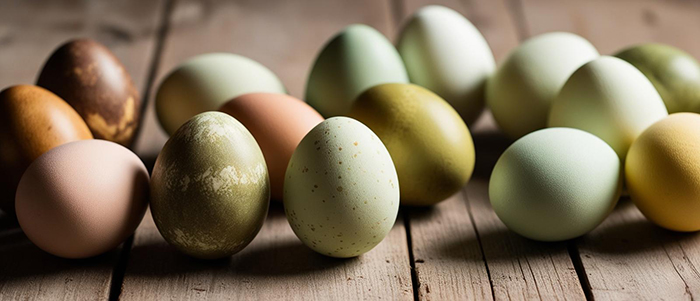
How to Make Natural Easter Egg Dye with Kitchen Ingredients
Easter is the perfect time to get creative, and what better way to celebrate than by coloring eggs with natural dyes straight from your kitchen?
Skip the store-bought kits this year and try this eco-friendly, fun method using items you likely already have in your kitchen! Not only is it a sustainable choice, but it also adds a unique, homemade touch to your Easter festivities.
Here’s everything you need to know to create vibrant, natural Easter egg colors that’ll impress your family and friends!
Coming Up:
- The Best Kitchen Ingredients for Natural Easter Egg Dye
- Step-by-Step Directions for Creating Natural Egg Colors
-
Extra Tips for Perfectly Dyed Easter Eggs

The Best Kitchen Ingredients for Natural Easter Egg Dye
You don’t need fancy supplies to make stunning Easter eggs—your pantry likely holds the secret!
After testing, these kitchen staples stand out for their vibrant, reliable results:
-
Beets: Delivers a lovely pink to deep red shade.
-
Turmeric: Creates a bright, sunny yellow.
-
Red Onion Skins: Offers a rusty orange or reddish hue.
-
Purple Cabbage: Surprisingly yields a beautiful blue.
-
Spinach: Gives a soft, earthy green.
-
Coffee: Produces a rich, warm brown.
-
Paprika: Adds a cozy, orange glow.
These ingredients are easy to find, budget-friendly, and perfect for a natural Easter egg dyeing project.
Step-by-Step Directions for Creating Natural Egg Colors
Ready to dye? Here’s how to transform your hard-boiled eggs into colorful masterpieces. You’ll need white eggs, water, white vinegar (to help the dye stick), and a pot for each color.
Beets (Pink/Red):
- Peel and chop 2-3 medium beets.
- Boil in 4 cups water with 2 tablespoons vinegar for 20-30 minutes.
- Strain, then soak eggs for 30 minutes to a few hours.
Turmeric (Bright Yellow):
- Mix 4 cups water, 2 tablespoons turmeric, and 2 tablespoons vinegar.
- Simmer 10-15 minutes, cool slightly.
- Soak eggs for 20 minutes to an hour.
Red Onion Skins (Rusty Orange/Red):
- Use skins from 6-8 red onions in 4 cups water with 2 tablespoons vinegar.
- Boil for 20 minutes, strain.
- Soak eggs for 30 minutes to a few hours.
Purple Cabbage (Blue):
- Chop half a head of cabbage, boil in 4 cups water with 2 tablespoons vinegar for 20-30 minutes.
- Strain, soak eggs for an hour or overnight.
Purple Cabbage (Blue):
- Chop half a head of cabbage, boil in 4 cups water with 2 tablespoons vinegar for 20-30 minutes.
- Strain, soak eggs for an hour or overnight.
Spinach (Green):
- Chop 2 cups fresh spinach, simmer in 4 cups with 2 tablespoons vinegar for 20-30 minutes.
- Strain, soak eggs for 30 minutes to a few hours.
- Brew 4 cups strong coffee (or use instant) with 2 tablespoons vinegar, simmer 10-15 minutes.
Longer soaking deepens the color—experiment to find your favorite shades!
Extra Tips for Perfectly Dyed Easter Eggs
Showcase of Citrus - Clermont
Make your natural Easter eggs even more special with these simple tricks:
-
Cool It: Let eggs sit in the dye in the fridge overnight for richer hues.
-
Stir Occasionally: This ensures even coloring, especially with turmeric or paprika.
-
Shine On: After drying, rub eggs with a drop of oil for a glossy finish.
-
Mix and Match: Try combining dyes (like beets and cabbage) for unique effects.
This natural dyeing method is a creative, Florida-friendly way to enjoy Easter—perfect for sharing on floridabalm.com!

No products found.
No products found.
As an Amazon Associate I earn from qualifying purchases at no additional cost to you.