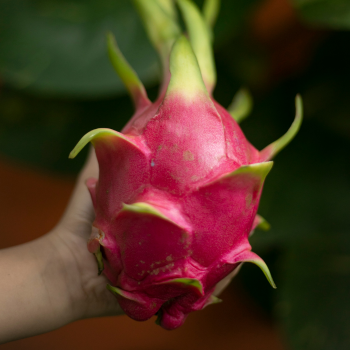
Florida is one of the best places in the United States to grow fresh fruit. From sweet oranges and juicy mangoes to blueberries, figs, and even dragon fruit, the Sunshine State’s warm climate supports an incredible variety of tropical, subtropical, and traditional fruits.
Whether you’re looking for the best fruits to buy fresh from local farms or hoping to grow your own backyard orchard, this guide will help you choose varieties that thrive in Florida’s unique climate. You’ll also learn which fruits are easiest to grow in small spaces, which ones require more room, and what to expect from each plant’s growing habits and harvest schedule.
If you’re planning a home garden, it’s worth thinking beyond just your favorite fruit. Some plants produce several harvests each year, while others take years to mature or only produce a single fruit at a time.
For example, pineapple plants need about 3 feet of space but typically grow just one pineapple every 12 to 18 months. If space is limited, you may get a much bigger harvest by choosing other fruit varieties instead.
Use this guide to discover the best fruits that grow in Florida, understand which planting zones they prefer, and enjoy fresh, homegrown flavors throughout the year.
Disclosure: This post may contain affiliate links. If you make a purchase or booking through these links, I may earn a small commission at no additional cost to you. As an Amazon Associate, I earn from qualifying purchases.
Florida Planting Zones
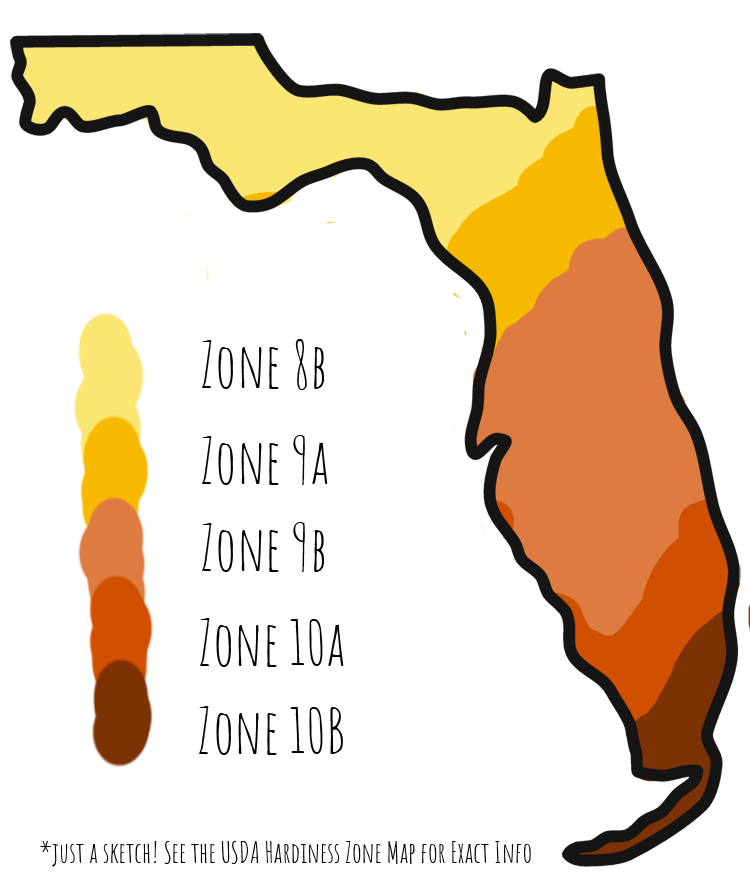
Before choosing fruit trees or plants for your yard, it’s important to know your USDA Plant Hardiness Zone. Florida spans several growing zones—from Zone 8a in the northern part of the state to Zone 11 in the Florida Keys—and each region has different average winter temperatures.
These zones help determine which fruits are most likely to thrive in your area. While Florida is famous for tropical fruit, not every variety grows well statewide.
For example:
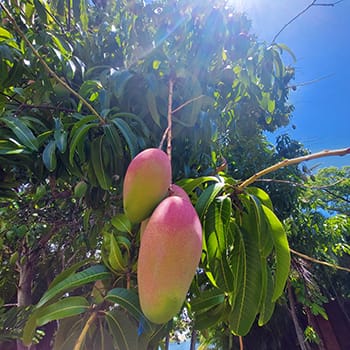
Zones 10–11 (South Florida): Mangoes, avocados, papayas, bananas, lychees, and other tropical fruits flourish thanks to the warm, frost-free climate.
Zones 8–9 (North and Central Florida): Cooler winters make it easier to grow fruits like peaches, blueberries, blackberries, figs, muscadine grapes, and certain apple varieties.
Choosing fruits that are well suited to your planting zone gives you the best chance of producing healthy plants, larger harvests, and fewer cold-weather problems.
If you’re not sure which zone you live in, use the official USDA Plant Hardiness Zone Map to identify your growing region before planting. Once you know your zone, you’ll be ready to choose the best Florida fruits for your garden.
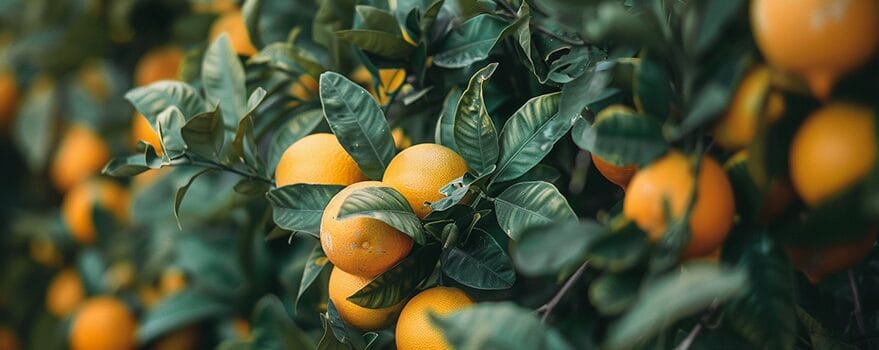
Orange Grove in Central Florida
Citrus Fruits
Most citrus in Florida grows between Central and South Florida, and the best way to figure it out is by using planting zones. However, there are many varieties of these different types of citrus which have been adapted to grow in different zones.
When buying a citrus tree to grow at home, make sure to know what zone you live in and match it to the citrus that will grow there.
And if you have limited space, look for “dwarf” varieties of the citrus you’d like to grow.
Note: You generally cannot have citrus trees shipped into Florida from out of state. This restriction exists to help prevent the spread of devastating citrus diseases like citrus greening (HLB), citrus canker, and other pests.
The best place to buy citrus trees is the garden center in your area. They will have the variations that will grow where you live.
Jackfruit Zone: 10-11 Size: Large tree, 30-70 feet tall Production: Annual; harvest in spring and summer
Avocados Zone: 9-11 Size: Tree, 30-60 feet tall Production: Annual; harvest depends on variety but typically summer to fall
Blackberries
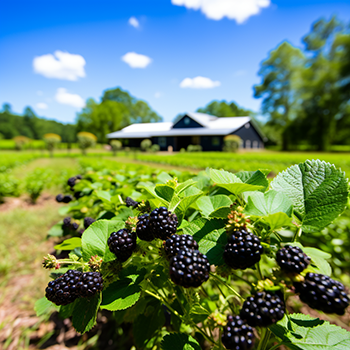
U-Pick Blackberry Farm
Berries
Blueberries Zone: 8-10 (Southern highbush varieties) Size: Shrub, 4-6 feet tall Production: Annual; harvest in spring
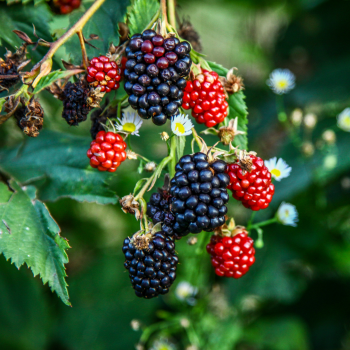
Blackberries Zone: 8-10 Size: Bramble, 3-5 feet tall Production: Annual; harvest in summer See my blog post all about Blackberry Season in Florida and see u-pick farms to visit, ideas for enjoying blackberries, a great blackberry cocktail recipe and more!
Strawberries Zone: 8–10 Size: Low-growing plant, 6–12 inches tall (spreads 12–24 inches) Production: Annual in Florida; harvest in winter and spring
Mulberries Zone: 9-11 Size: Tree, 30-50 feet tall Production: Annual; harvest in spring
Surinam Cherries Zone: 9-11 Size: Shrub or small tree, 6-15 feet tall Production: Multiple times a year in warm climates
Strawberry Guava Zone: 9-11 Size: Shrub or small tree, 10-15 feet tall Production: Twice per year; harvest in summer and winter
Elderberries Zone: 8-10 Size: Shrub, 6-12 feet tall Production: Annual; harvest in late summer
Stone Fruits
Peaches Zone: 8-10 (low-chill varieties) Size: Tree, 10-20 feet tall Production: Annual; harvest in spring
Nectarines Zone: 8-10 (low-chill varieties) Size: Tree, 10-20 feet tall Production: Annual; harvest in spring
Plums Zone: 8-9 Size: Tree, 10-15 feet tall Production: Annual; harvest in spring
Figs
Figs Zone: 8-11 Size: Shrub or small tree, 10-20 feet tall Production: Twice per year; main crop in summer
Grapes
Muscadine Grapes Zone: 7-10 Size: Vine, can grow up to 20 feet Production: Annual; harvest in late summer Yes, grapes grow in parts of Florida! Check out my blog on Wineries in Florida here!
Scuppernong Grapes Zone: 7-10 Size: Vine, up to 20 feet Production: Annual; harvest in late summer
Other Unique Fruits
Loquats Zone: 8-10 Size: Tree, 10-20 feet tall Production: Annual; harvest in late winter to spring
Pomegranates Zone: 8-11 Size: Shrub or small tree, 6-15 feet tall Production: Annual; harvest in late summer to fall
Pawpaws Zone: 8-9 Size: Small tree, 15-20 feet tall Production: Annual; harvest in late summer
Jaboticaba Zone: 9-11 Size: Small tree, 10-15 feet tall Production: Multiple times a year, with peaks in spring and fall
Acerola Cherries Zone: 10-11 Size: Shrub or small tree, 6-12 feet tall Production: Multiple times a year in warm climates
Tamarind Zone: 10-11 Size: Large tree, 40-60 feet tall Production: Annual; harvest in late spring to early summer
Miracle Fruit Zone: 9-11 Size: Shrub, 4-5 feet tall Production: Multiple times a year, with peak in summer
Tomatoes! Yes, technically they are a fruit but there are very specific varieties that grow in the different planting zones in Florida… we’re currently writing a full article dedicated to growing the best varieties of tomatoes in Florida.
But if you don’t want to wait, check out my curated Amazon list of Florida fruit and associated items that includes the best tomato varieties to grow on your back patio, on your balcony, or in your backyard.
Enjoy the Fresh Flavors of Florida
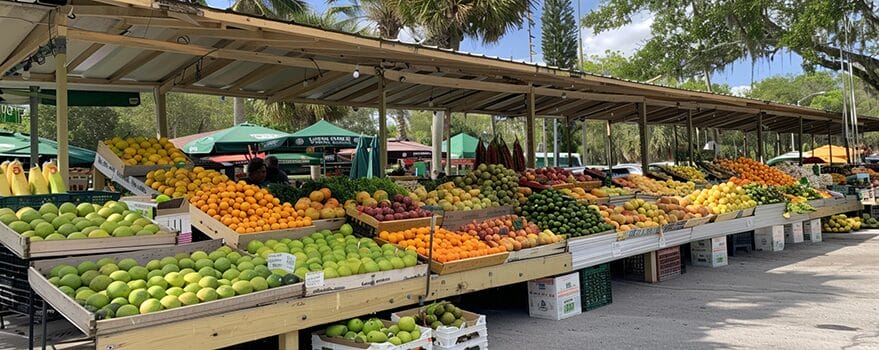
Whether you’re picking up fresh produce at a local farmers market, spending the day at a Florida U-pick farm, or planting your own backyard fruit garden, there’s no shortage of delicious ways to enjoy Florida’s incredible variety of fruits.
Growing your own fruit can be surprisingly rewarding—even if you only have a small patio or balcony. Many Florida-friendly fruits grow well in containers, making it possible to harvest fresh produce without needing a large yard. If you have more space, adding a few fruit trees or berry bushes can provide years of homegrown harvests.
Of course, not every fruit is practical to grow yourself, and that’s where local farms truly shine. Visiting a nearby farm or U-pick lets you enjoy fruit at peak ripeness while supporting Florida growers and experiencing the state’s agricultural heritage firsthand.
Whether you’re planning your next garden, searching for seasonal produce, or simply looking for new Florida flavors to try, this guide is a great place to start.
Be sure to explore our other Florida gardening, travel, and seasonal guides for even more ways to enjoy everything the Sunshine State has to offer.
Hi! I’m Christa Kelly, born and raised in Florida. My favorite vacations are staycations especially with my kids and family. We love exploring everything Florida: places, history, attractions, events… and sharing with you!