21 Animals Unique to Florida
Florida is home to a wide range of wildlife, some of which can only be found within its borders. From the warm waters of the Gulf Coast to the dense forests and wetlands, the Sunshine State is a haven for many species, some of which are endemic to this area or thrive in its distinct environment.Â
Whether you’re exploring the Everglades or hiking through one of Florida’s many parks, these 21 unique animals offer a glimpse into the state’s biodiversity and beauty.
1. Florida Panther
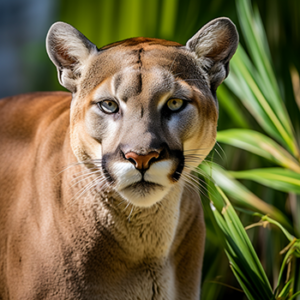
The Florida panther is one of the most iconic — and endangered — animals in the state. A subspecies of cougar, the Florida panther lives mostly in South Florida, where it moves through swamps, forests, prairies, and remote wildlife corridors.
Current estimates suggest there are only about 120–230 adult Florida panthers left in the wild, which is why conservation work remains so important. The Florida Fish and Wildlife Conservation Commission notes that panthers have been documented through much of the peninsula, but the core population is south of Lake Okeechobee.
Seeing a Florida panther in the wild is extremely rare. They are shy, wide-ranging, and most active around dusk and dawn. Still, real sightings and tracks have been reported in places like Fakahatchee Strand Preserve State Park, Big Cypress National Preserve, Florida Panther National Wildlife Refuge, and nearby Southwest Florida conservation lands.
Florida State Parks specifically notes that some visitors at Fakahatchee Strand are lucky enough to spot fresh panther tracks — or occasionally see one of the cats at a distance — especially along Janes Memorial Scenic Drive.
For most visitors, the better option is to learn about panthers at wildlife refuges, sanctuaries, and education centers. I’ve also written about visiting Busch Wildlife Sanctuary in Jupiter, where injured or non-releasable Florida wildlife may be cared for and used to educate the public.
Wildlife tip: If you ever see a Florida panther or fresh tracks, enjoy the moment from a safe distance and report the sighting to FWC’s Panther Sightings system, which helps biologists track panther distribution in Florida.
2. Florida Manatee
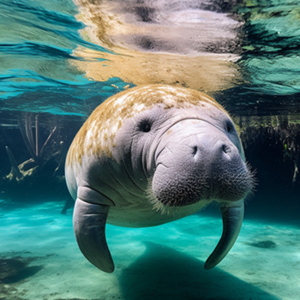
The Florida manatee is one of the most beloved animals in the state. These gentle giants are commonly found in Florida’s warm coastal waters, rivers, canals, and freshwater springs, especially during the cooler months when they gather near warm-water refuges.
Florida’s manatee population has improved dramatically since the early 1990s. FWC currently lists the statewide abundance estimate at 8,350–11,730 manatees, a major increase from the 1991 synoptic count of 1,267. They are still considered a threatened species and continue to face serious risks from boat strikes, habitat loss, seagrass decline, cold stress, and red tide.
Some of the best-known places to see manatees in Florida include Crystal River, Blue Spring State Park, Three Sisters Springs, Manatee Springs State Park, and warm-water viewing areas near power plants such as TECO’s Manatee Viewing Center in Apollo Beach.
Always watch quietly from a respectful distance and follow local manatee viewing rules.
3. Key Deer
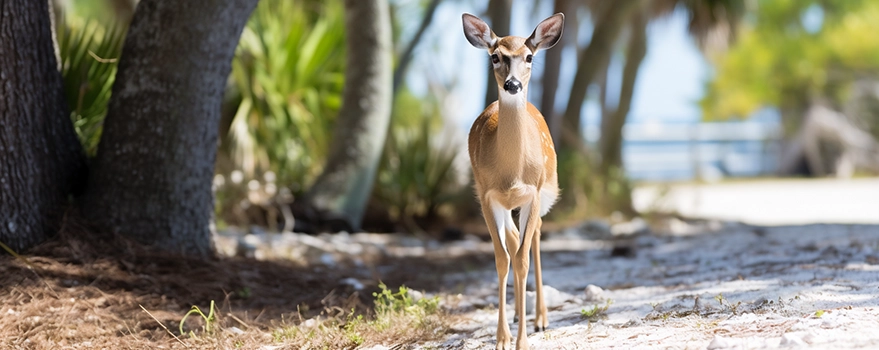
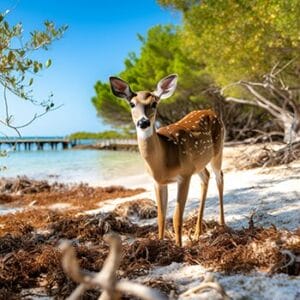
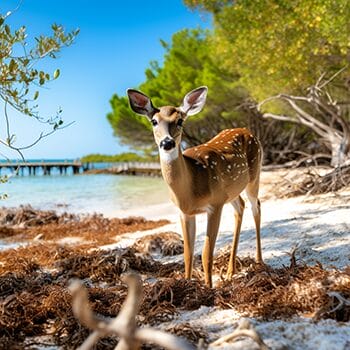
Smallest subspecies of the white-tailed deer, the Key Deer are native to the Florida Keys and not found anywhere else in the world.Â
They are an endangered species, having almost died out in the 1950s. Currently there are somewhere between 700-800 left.Â
Want to see Key Deer in the wild?Â
The best place to visit is The National Key Deer Refuge on Big Pine Key. But remember… while driving south on your way, remember the #1 way Key Deer die is by being hit by a car, so drive carefully when reaching the lower keys!
4. Florida Black Bear
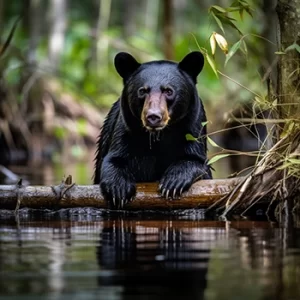
The Florida Black Bear is a subspecies of the American black bear and is found in forests and swamps throughout the state. While their numbers have increased in recent years, these bears still face challenges from habitat loss and human encroachment.Â
Currently there are approximately 4000 Florida Black Bears in the wild.Â
Want to see Florida Black Bears in the wild? The most popular place is Marks River Preserve State Park in Tallahassee (North Florida).
5. Eastern Cottontail Rabbit
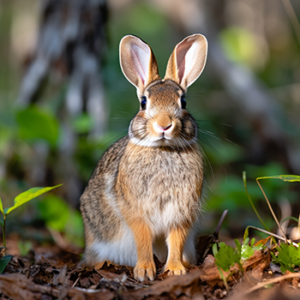
The Eastern cottontail rabbit is not unique to Florida, but it is one of the state’s most commonly seen mammals. With its fluffy white tail, long ears, and quick darting movements, this rabbit is often spotted in grassy areas, yards, parks, forest edges, and open fields.
Â
Florida is also home to the marsh rabbit, a smaller, darker rabbit that lives closer to wetlands, marshes, ponds, and other watery habitats. Unlike the Eastern cottontail, marsh rabbits are considered semi-aquatic and are strong swimmers — a very Florida twist on the familiar backyard bunny.
If you’ve ever spotted little brown rabbits nibbling grass around Walt Disney World resorts in the early morning, they are most likely Eastern cottontails. These adaptable rabbits do well in grassy, landscaped areas with nearby shrubs for cover, which makes Florida parks, lawns, and resort grounds perfect places to catch a quick bunny sighting.
6. Florida Scrub-Jay
This striking bird is found only in Florida’s scrub habitats. With its blue feathers and unique behaviors, the Florida Scrub-Jay is not only an iconic species but also an endangered one.Â
Conservation efforts are crucial to ensuring its survival, with their population at only around 10,000 total.
7. Everglade Snail Kite
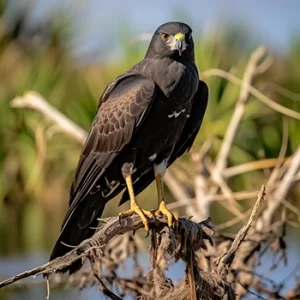
A subspecies of the Swallow-tailed Kite, the Everglade Snail Kite is found in Florida’s Everglades. It is known for its graceful flight and striking black-and-white coloration.
The species is considered endangered due to habitat loss. The Everglade Snail Kite, of the animals unique to Florida, is one of the most endangered. Their population in Florida is believed to be around 1000 and their habitat loss continues as development near the Everglades expands.
8. Red-cockaded Woodpecker
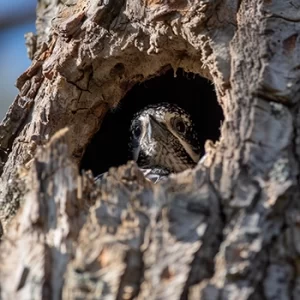
This endangered species of woodpecker is found primarily in the longleaf pine forests of Florida. The Red-cockaded Woodpecker is known for its unique nesting behavior, drilling cavities into living pine trees.Â
The most popular place to see the Red-cockaded Woodpecker in the wild is at the St. Sebastian Preserve State Park.
9. Florida Sandhill Crane
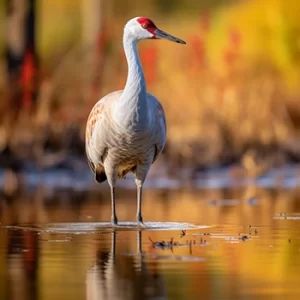
The Florida sandhill crane is a year-round resident of Florida’s wetlands, prairies, pastures, and open grassy areas. With its tall gray body, red forehead, and loud trumpeting call, this crane is one of the easiest large birds to recognize in the state.
FWC estimates there are about 4,000–5,000 Florida sandhill cranes living in the state year-round. They are protected, and Florida is also visited in winter by thousands of migratory greater sandhill cranes.
In the wild, sandhill cranes are often seen in places with open fields and wetlands, including Paynes Prairie Preserve State Park, Myakka River State Park, Circle B Bar Reserve, Lake Woodruff National Wildlife Refuge, and Orlando Wetlands Park. They can also show up in suburban areas, golf courses, and open lawns where their natural habitat overlaps with development.
10. Cape Sable Seaside Sparrow
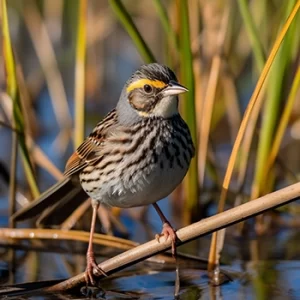
This adorable little bird is critically endangered, with an estimated population of fewer than 3000 birds left in the wild, primarily located in the Everglades. It only lives in Florida, so the conservation efforts are extraordinarily crucial.Â
These birds have a unique and challenging nesting habit: they build their nests close to the ground in grassy marshy areas, creating issues when the water levels get to high due to bad water management or lots of rain.Â
To see these birds in the wild, visit Everglades National Park or Big Cypress National Preserve, but they are much more easily heard (than seen). We love using the “Merlin Bird ID” app when visiting these parks, as it identifies birds by sound!
11. American Crocodile
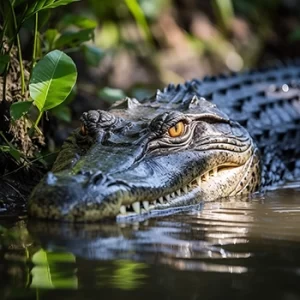
The American Crocodile is found in Florida’s southernmost regions, particularly in the Florida Keys. Unlike the more common alligator, the crocodile prefers saltwater habitats and is a protected species.Â
The American Crocodile population is in recovery, with an estimated 1500-2000 living in Florida today.Â
This is a very small number compared to the American Alligator whose population is estimated at around 1.25 million in Florida.
12. Gopher Tortoise
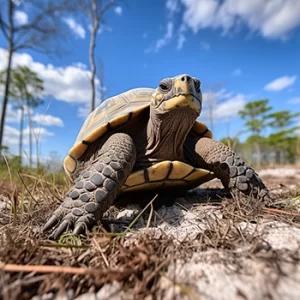
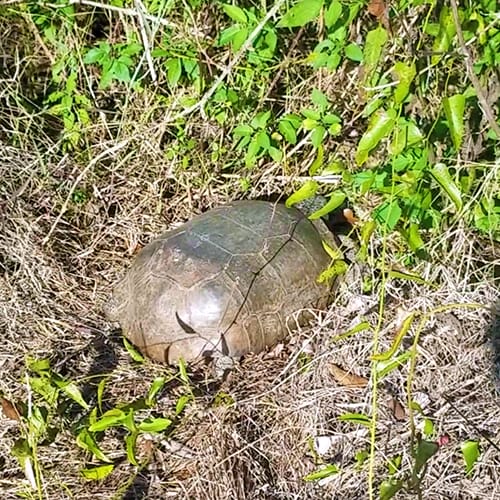
The Gopher Tortoise is a key species in Florida’s dry, sandy ecosystems. This slow-moving reptile is known for its burrows, which provide shelter for over 350 other species.Â
They are considered threatened in the state, with an estimated population decline of roughly 60%. Current estimates are around 785,000 gopher tortoises in Florida today.
Fun fact, they are protected and can often be found in residential neighborhoods along the east coast. When buying and selling, there are municipalities that require special gopher tortoise disclosures and inspections, and costly rehabitation in many cases.
13. Florida Box Turtle
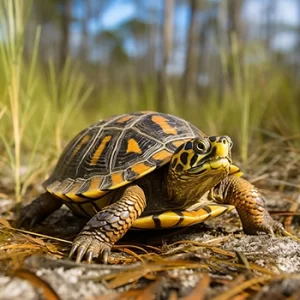
Native to Florida’s wetlands and forests, the Florida Box Turtle is a subspecies of the eastern box turtle. It is known for its colorful shell and its ability to close up tight when threatened. Their population is abundant throughout Florida though they are considered vulnerable.
14. Green Sea Turtle
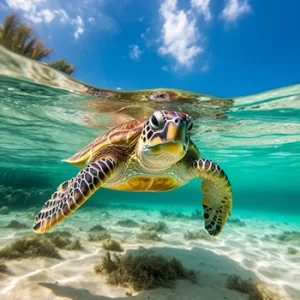
While not exclusive to Florida, the Green Sea Turtle is commonly seen in the state’s waters, particularly in the Gulf of Mexico. These turtles are considered endangered due to threats like habitat loss and plastic pollution.Â
Â
There is hope that their population is in recovery, as an estimated 77,000 nests were counted in Florida in 2023. Will numbers increase even more in 2024?
Fun fact, sea turtles were the center of a major industry in Florida in the early 20th century. Here’s the fascinating story of the gruesome history of sea turtle hunting plus tips to visiting the only museum dedicated to remembering this history!
15. Florida Largemouth Bass
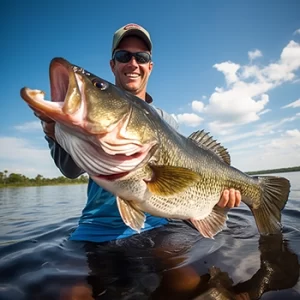
The Florida Largemouth Bass is found in the freshwater lakes and rivers of the state. Known for its size and fighting ability, this bass is a favorite among anglers.
16. Gulf Sturgeon
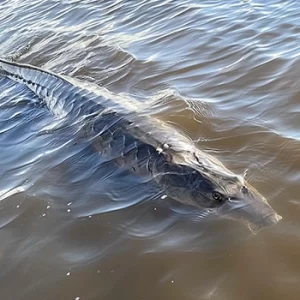
The Gulf Sturgeon is an ancient fish species that can grow up to 8 feet long and weigh 200 pounds, with bony, armor-like plates that give it a prehistoric look. Each spring, it migrates from the Gulf of Mexico to Florida rivers to spawn, returning in the fall.Â
While in freshwater, Gulf Sturgeon don’t feed, instead relying on fat reserves built up in the Gulf. Listed as threatened, they face risks from habitat loss and blocked migration routes, making conservation efforts essential for their survival.
Note: The Suwannee River, every spring, is home to lots of spawning sturgeon. It’s an amazing experience, if you get the chance to paddle the Suwannee during spawning season… to see these monster sturgeon jumping up out of the water all around your kayak or canoe. If you’re adventurous… I highly recommend it!
17. Florida Pompano
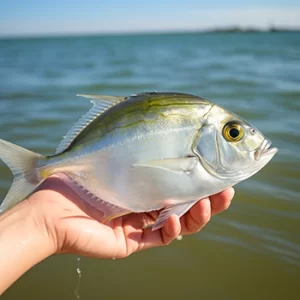
Found in Florida’s coastal waters, the Florida Pompano is a prized catch among fishermen. Known for its delicious taste and fast swimming speed, it is a staple of Florida’s fishing industry.
18. Florida Swallowtail Butterfly
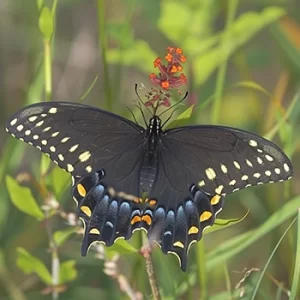
This brightly colored butterfly can be found in various parts of Florida, particularly in natural habitats like meadows and wetlands. Its striking appearance makes it a popular subject for nature enthusiasts.
19. Giant Swallowtail
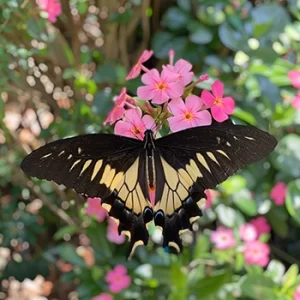
One of the largest butterflies in North America, the Giant Swallowtail can be found in Florida, especially in the central and southern parts of the state. Its yellow and black wings are hard to miss.
20. Eastern Indigo Snake
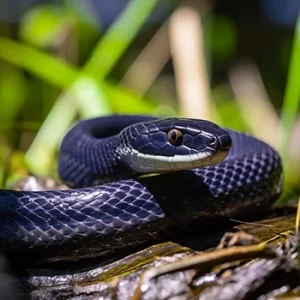
The Eastern Indigo Snake is one of the longest snakes in Florida, growing up to 8 feet long. These snakes are non-venomous. Found in Florida’s pine forests and wetlands, this snake plays an important role in maintaining the ecosystem by controlling small animal populations.
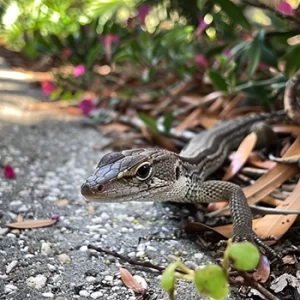
21. Florida Scrub Lizard
Native to Florida’s scrub habitats, the Florida Scrub Lizard is a small but mighty species that thrives in the state’s sandy soil. It’s a key part of the region’s ecosystem, helping to control insect populations.